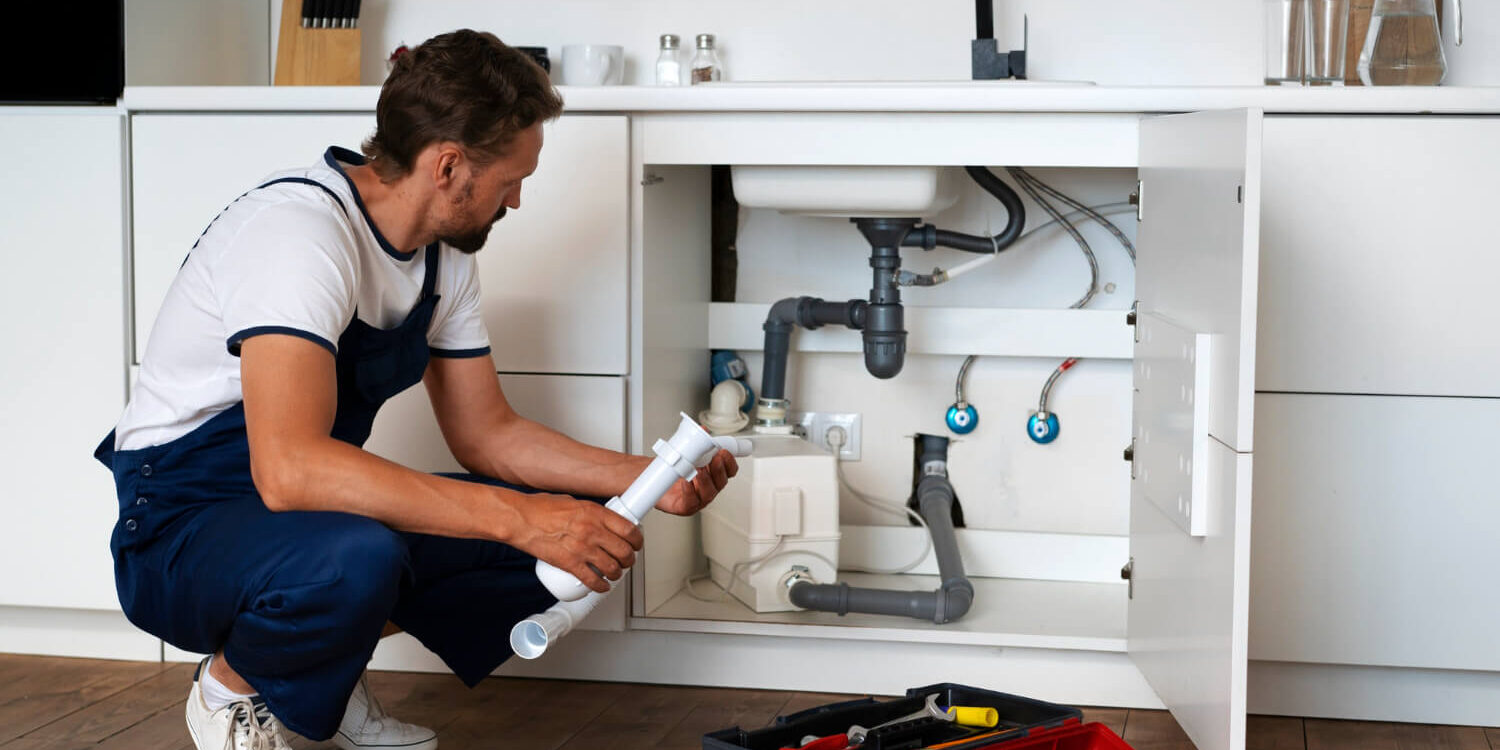
Managing a facility involves juggling dozens of moving parts, but few components are as critical—and as easily overlooked—as the building’s hidden network of pipes, drains, and fixtures. For property managers and business owners, the integrity of this system directly impacts daily operations, employee comfort, and long-term asset value. When a persistent leak or a sudden blockage disrupts the workplace, the choice of who to call for professional plumbing repair becomes a significant decision that affects both the bottom line and the facility’s longevity.
Navigating the requirements for large-scale plumbing maintenance
Commercial plumbing is rarely a simple scale-up of residential systems. Commercial structures typically feature more complex layouts, heavier usage demands, and a greater number of shared connections. Because of this, the service requirements for a workplace often differ from those of a typical residence.
When a facility requires ongoing maintenance or reactive support, it often falls to commercial plumbing contractors to assess the infrastructure as a complete system. This involves understanding how high-volume demand, such as that found in restaurants, office buildings, or medical suites, exerts unique stresses on pipe joints, valves, and water heating components. A contractor with extensive commercial experience is generally better equipped to spot signs of wear before they manifest as disruptive failures. They often focus on preventive care, such as hydro-jetting to clear grease accumulation or inspecting main line integrity, which can prove to be a more cost-effective approach than waiting for emergency intervention.
What to consider when evaluating service providers
When a facility faces plumbing issues, the urgency to restore normal function is understandable. However, selecting a service provider requires careful consideration. A reliable partner in plumbing repair typically demonstrates a deep understanding of the specific operational rhythms of a business.
One primary consideration is the provider’s ability to minimize operational downtime. For many businesses, a shutdown for repairs means lost productivity or revenue. A professional service provider often approaches this by offering flexible scheduling or maintaining an inventory of common parts to expedite necessary fixes. They should be able to explain the “why” behind a recommended repair, detailing how a particular solution addresses the underlying issue rather than merely masking the symptoms.
Another aspect is the technical breadth of the provider. Modern systems may involve a mix of traditional piping and newer materials. Knowing that a contractor has experience with various system types provides a measure of confidence that the repair will be compatible with the existing infrastructure. Furthermore, a thorough provider is often willing to perform a comprehensive diagnostic review, providing documentation that can help management plan for future upgrades or capital expenditures.
Factors that influence the repair strategy
Several variables can tip the balance between a quick, short-term fix and a more robust, long-term system overhaul. Understanding these factors can help facility managers make better decisions during an evaluation.
The age and material composition of the building’s piping often dictate how a repair is approached. Older systems may require more delicate handling to avoid causing damage to adjacent sections of pipe. Conversely, if a section is reaching the end of its typical lifespan, a contractor might suggest a strategic replacement rather than a patch, which could prevent recurring leaks in the near future.
Frequency of usage is another significant factor. A bathroom in an office with many employees or a commercial kitchen drain experiences vastly different stresses than a home fixture. The volume of water moving through the system, the temperature of the effluent, and the potential for organic buildup all play a role in how the system degrades. A thoughtful repair strategy incorporates these usage patterns, potentially recommending more frequent maintenance cycles or upgraded fixtures designed to withstand high-traffic environments.
Environmental and site-specific conditions, such as the quality of the incoming water or the layout of the foundation, can also impact the system’s health. In some cases, addressing mineral buildup or water pressure regulation is necessary to stop the premature decay of fixtures, even if the immediate problem is a leaking valve.
Aligning service choices with organizational goals
Ultimately, the goal of engaging commercial plumbing contractors is to move away from the cycle of constant emergency response and toward a model of predictable, sustainable performance. This requires an alignment between the business’s budget and its long-term facility objectives.
A proactive approach often begins with a clear assessment of current system health. By asking for a walkthrough or a baseline audit, managers can gain insight into which areas are functioning well and which may need attention in the coming seasons. This information empowers the decision-maker to prioritize repairs based on risk, rather than waiting for an emergency to dictate the timeline.
Communication is perhaps the most vital tool in this process. A trustworthy provider should be a consultant as much as a technician. They should be able to walk a manager through the trade-offs of different repair methods, explaining the long-term implications of each option. When a provider offers transparency about what is being done, why it is necessary, and what to expect in terms of future maintenance, they establish a foundation of trust that is invaluable for the health of the building.
When seeking assistance, consider posing questions about their process: How do they handle after-hours requirements? What kind of documentation do they provide following a service visit? Do they have a process for identifying potential issues during routine maintenance? A provider’s willingness to discuss these topics openly is a strong indicator of their professionalism and their commitment to the client’s long-term success.
Empowered with a clear view of their system’s condition and a transparent relationship with a service provider, facility managers can approach their responsibilities with confidence. By prioritizing quality of work and long-term system stability, you protect the building’s infrastructure, ensure a seamless experience for those who use the space, and manage the facility’s resources with foresight and intelligence.