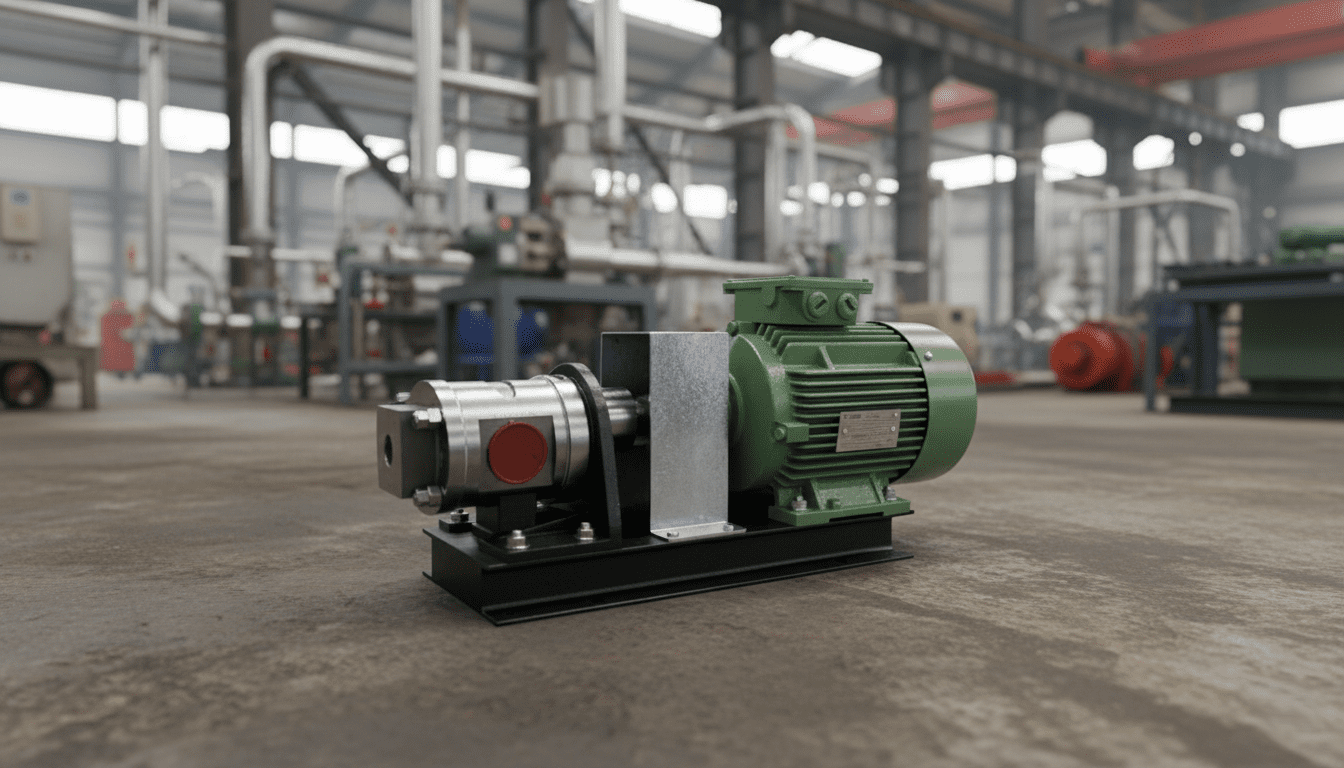
Industrial processing environments often require precise, reliable fluid transport. When a facility needs to move viscous, abrasive, or shear-sensitive materials, the decision of which pump technology to install can impact everything from operational longevity to product consistency. Two common configurations—the chemical gear pump and progressing cavity pumps—are frequently compared for these demanding roles. Understanding the mechanical differences between these options helps maintenance managers and engineers make choices that align with their specific operational needs.
Challenges in Fluid Transfer and Why Pump Selection Matters
Selecting equipment for fluid handling involves balancing flow characteristics with hardware capabilities. The challenge often arises when a process involves fluids that are not simply thin or uniform. Many industrial substances possess high viscosity, contain suspended solids, or react poorly to excessive mechanical agitation. Choosing a pump that is mismatched to these material properties can lead to increased wear, diminished flow accuracy, and frequent, costly downtime.
If a pump is forced to operate outside its ideal mechanical parameters, the internal components typically suffer. For instance, moving an abrasive fluid through components designed for clean, thin liquids often results in rapid erosion of the internal sealing surfaces. Alternatively, subjecting a delicate fluid to high-speed shearing can alter its chemical structure or consistency, potentially compromising the final product. Identifying the mechanism of transport—whether through rotary gear motion or positive displacement cavity movement—is the starting point for effective facility management.
How a chemical gear pump Functions in Industrial Applications
A chemical gear pump relies on the intermeshing of two or more gears to move fluid. As these gears rotate within a precision-machined housing, they create a series of chambers that fill with the pumped medium on the intake side and carry it toward the discharge port. Because the design utilizes a rotating motion, it is particularly effective for delivering a steady, pulse-free flow.
These pumps are often favored in environments where precise dosing or consistent transfer of clean, lubricating fluids is required. Because the clearance between the gears and the casing is narrow, the design minimizes internal leakage. However, these same narrow tolerances can be a limitation if the process fluid contains large particulates or heavy grit. When solid materials enter the gear teeth, they may cause wear, which eventually reduces the efficiency of the pump. Maintenance of these units typically involves monitoring the wear on gear faces and ensuring that seals remain intact to prevent leakage, particularly when handling harsh chemical agents.
Understanding the Mechanics of progressing cavity pumps
In contrast, progressing cavity pumps utilize a helical rotor spinning inside a resilient stator. This design creates a sequence of discrete, sealed cavities that progress from the inlet to the outlet. This mechanism allows the pump to move fluids in a gentle, non-pulsing motion that is inherently different from the rotary gear approach.
The design of a progressing cavity pump makes it well-suited for applications involving high-viscosity materials or fluids with solid content. Because the stator is typically constructed from a flexible material, it can accommodate small particles without experiencing the same level of abrasive damage that a rigid gear mechanism might face. Furthermore, because the fluid is moved along in a cavity rather than being squeezed through narrow tolerances at high velocity, these pumps are often described as having low shear characteristics. This makes them a frequent consideration in industries where maintaining the integrity of the pumped medium is a priority.
Key Factors That Shape Pump Performance and Longevity
Several factors influence the decision between these two technologies. First, the nature of the fluid is paramount. If the goal is the transfer of thin, clean solvents or lubricating oils, a chemical gear pump may offer high volumetric efficiency and a compact footprint. If the material is a thick slurry, contains fibrous material, or is prone to degradation when agitated, a progressing cavity pump often becomes the more practical choice.
Operational pressure also plays a role. Gear designs can typically handle significant pressure differentials, making them suitable for systems requiring high discharge head. Positive displacement designs like the progressing cavity unit are excellent for steady flow, but they may have different limitations regarding maximum achievable pressure depending on the number of stages and the physical dimensions of the rotor and stator.
Environment and maintenance capabilities also factor into the decision. A maintenance team should consider the complexity of rebuilding the unit. Some designs allow for quick replacement of internal components without disconnecting the entire system from the piping, while others may require more involved disassembly. Evaluating how frequently a pump requires service based on the specific fluid properties is a vital part of long-term planning.
Practical Approaches to Evaluating Pump Needs
When assessing which equipment to install, it is helpful to look beyond initial procurement costs and focus on the total cost of ownership. This includes the frequency of part replacements, the energy required to maintain flow, and the impact of potential downtime on the facility’s output.
A thoughtful approach begins with a detailed assessment of the process fluid:
- Determine the viscosity range of the fluid under typical operating temperatures.
- Identify the presence, size, and hardness of any suspended solids.
- Assess whether the fluid is shear-sensitive or if it requires careful handling to prevent structural changes.
- Review the required flow rate and discharge pressure to ensure the equipment operates within its most efficient range.
Once these parameters are established, ask the provider for technical documentation regarding internal wear rates for similar fluid profiles. Inquire about the material compatibility between the pump components—such as gear materials or stator elastomers—and the chemicals currently being processed. Requesting information on the ease of routine inspections can also provide clarity on how the team will manage maintenance in the future.
By prioritizing clear communication with technical providers and maintaining a focus on the mechanical requirements of the fluid, facility managers can establish a more robust and predictable pumping infrastructure. Whether the requirements point toward the precision of a chemical gear pump or the versatility of progressing cavity pumps, the goal remains the same: creating a system that balances operational demands with reliable, long-term performance. Taking the time to understand the mechanisms behind these options ensures that the final decision serves the facility’s goals effectively.