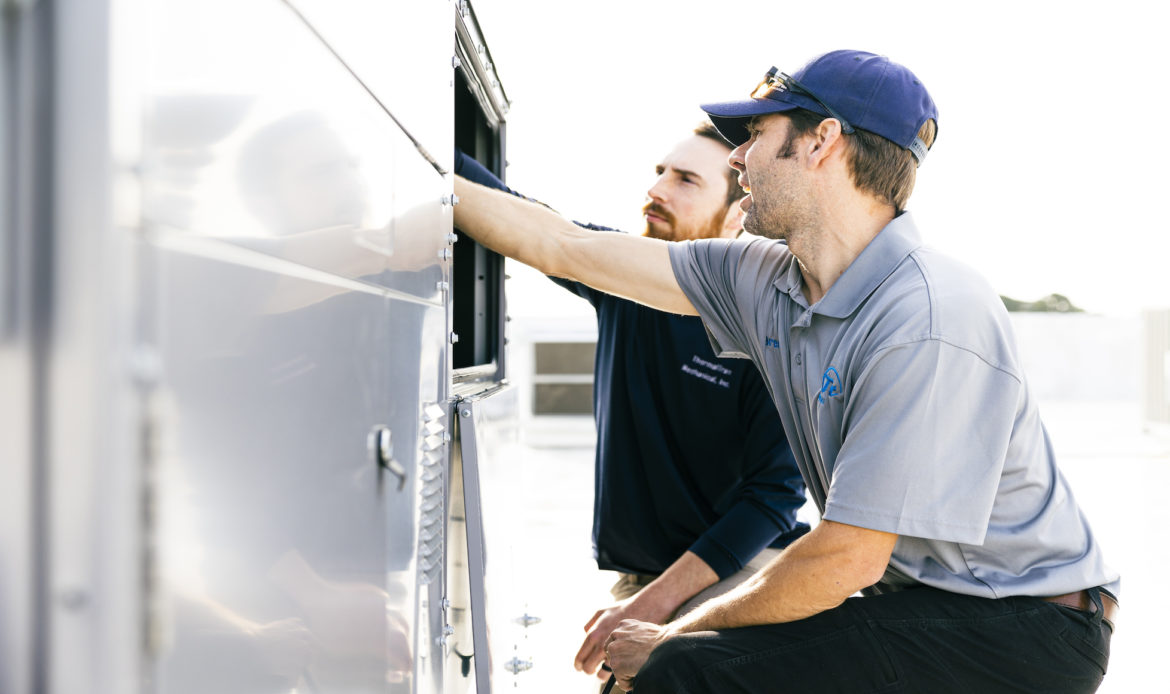
Winter can place enormous pressure on a home’s heating system, especially in regions where temperatures remain low for extended periods. Homeowners often rely on HVAC services in Gallatin Gateway, MT,to keep their systems operating efficiently and avoid costly breakdowns during freezing weather. The good news is that improving HVAC performance does not always require major upgrades. Small changes, regular maintenance, and smarter heating habits can significantly reduce energy use while keeping your home warm and comfortable.
If you live in a cold climate region, understanding how to improve heating efficiency can help lower utility bills, extend the lifespan of your HVAC system, and create a healthier indoor environment throughout winter.
Why HVAC Efficiency Matters More in Cold Climate Regions
Heating systems work harder in colder areas because they often run for long periods every day. When a system struggles to maintain temperature, energy consumption rises quickly. Older equipment, blocked airflow, and poor insulation can make the problem even worse.
An inefficient HVAC system may lead to:
- Uneven heating between rooms
- Constant furnace cycling
- Higher monthly energy bills
- Increased wear on components
- Reduced indoor comfort
Cold weather also exposes hidden HVAC problems more quickly. Small issues that seem manageable in autumn can become serious once temperatures drop below freezing.
Replace HVAC Filters Before Winter Peaks
One of the easiest and most effective ways to improve HVAC efficiency is changing the air filter regularly. Dirty filters restrict airflow, forcing the system to work harder to circulate warm air through the home.
When airflow becomes blocked, your heating equipment consumes more energy and experiences additional strain. Over time, this can reduce performance and shorten the life of the system.
Most homeowners should replace filters every:
- 1–2 months during heavy winter use
- 3 months for lighter use
- More frequently if pets or allergies are involved
Choosing the Right Filter
Not all filters perform the same way. Pleated filters are often a strong choice because they capture dust while maintaining proper airflow. HEPA filters provide excellent air quality benefits but may require compatibility checks with your HVAC system.
A clean filter supports both heating efficiency and healthier indoor air during winter months when homes stay sealed for longer periods.
Seal Air Leaks and Improve Insulation
Even the most efficient heating system will struggle if warm air continuously escapes from the home. Air leaks and weak insulation force your HVAC system to work harder to maintain comfortable temperatures.
Common areas where heat escapes include:
- Windows and door frames
- Loft and attic spaces
- Basements
- Ductwork joints
- Electrical openings and vents
Adding insulation and sealing small gaps can make a noticeable difference in heating performance. Proper insulation helps retain warmth for longer periods, reducing the workload placed on the furnace or heat pump.
Check Your Ductwork
Leaking ducts are often overlooked but can waste a large amount of heated air before it reaches living spaces. Professional duct inspections can identify leaks, poor connections, or damaged sections that reduce efficiency.
Well-sealed duct systems improve airflow consistency and help maintain balanced indoor temperatures throughout the home.
Use a Smart Thermostat to Lower Heating Costs
Smart thermostats have become one of the most effective tools for improving heating efficiency in colder climates. These devices allow homeowners to automate temperature settings based on daily routines and occupancy patterns.
Instead of heating the home constantly, smart thermostats adjust temperatures when rooms are empty or when occupants are asleep.
Benefits include:
- Lower energy bills
- Better temperature control
- Reduced HVAC strain
- Remote access through mobile apps
- Improved scheduling flexibility
Recommended Winter Settings
Many energy experts recommend keeping indoor temperatures around:
- 20–21°C when people are home
- 16–18°C overnight
- Lower settings when the house is empty
Even small temperature adjustments can reduce energy consumption over time without affecting comfort significantly.
Schedule Seasonal HVAC Maintenance
Preventative maintenance is especially important before winter arrives. Heating systems that receive regular servicing tend to operate more efficiently and experience fewer emergency repairs during peak cold weather.
Professional HVAC maintenance commonly includes:
- Thermostat calibration
- Burner inspection
- Electrical testing
- Airflow checks
- Safety inspections
- Cleaning internal components
Routine servicing helps identify worn parts early before they cause larger system failures.
Why Winter Breakdowns Are More Expensive
Emergency heating repairs during severe cold often cost more because HVAC systems are under maximum demand. Waiting until the furnace stops working entirely can also leave homeowners without heat during dangerous weather conditions.
Seasonal inspections reduce the risk of sudden failures and improve overall reliability throughout winter.
Improve Indoor Air Quality During Winter
Cold weather often means windows remain closed for extended periods, reducing natural ventilation inside the home. As a result, indoor air can become dry, stale, and filled with dust or allergens.
Poor indoor air quality may lead to:
- Dry skin and irritation
- Respiratory discomfort
- Increased dust buildup
- Poor sleep quality
- Static electricity problems
HVAC systems play an important role in maintaining healthier indoor conditions during winter months.
Helpful HVAC Upgrades for Better Comfort
Several HVAC additions can improve air quality and comfort:
- Whole-home humidifiers
- Air purification systems
- UV filtration systems
- Mechanical ventilation solutions
Balanced humidity levels can also make indoor temperatures feel warmer, helping homeowners rely less heavily on constant heating.
Upgrade Older Heating Equipment
Older heating systems often consume far more energy than newer high-efficiency models. If your furnace or heat pump is more than 15 years old, it may struggle to maintain modern energy performance standards.
Signs it may be time for an upgrade include:
- Frequent repairs
- Rising heating bills
- Uneven room temperatures
- Excessive system noise
- Difficulty maintaining warmth
Modern HVAC systems are designed to provide better efficiency, quieter operation, and improved temperature control.
Energy-Efficient Heating Options
Homeowners in colder regions often consider:
- High-efficiency gas furnaces
- Variable-speed heating systems
- Cold-climate heat pumps
- Zoned heating solutions
While replacement costs can seem significant initially, improved energy savings and reduced repair expenses often provide long-term value.
Conclusion
Keeping a home warm during harsh winters does not have to mean excessively high energy bills. Small improvements such as replacing filters, sealing air leaks, upgrading insulation, and scheduling seasonal maintenance can greatly improve HVAC performance in cold climate regions.
Homeowners who take a proactive approach to heating efficiency often experience better indoor comfort, lower operating costs, and fewer unexpected repairs during winter. Whether you are maintaining an older system or considering modern upgrades, investing in HVAC efficiency today can create lasting savings and a more comfortable home for years to come.